Swiss Tournament Play Adaptations via Live Dealer Features Under Gambling Statutes
Nils Foster · Aug 25, 2026

Swiss Tournament Play Adaptations via Live Dealer Features Under Gambling Statutes
Swiss gambling statutes have shaped tournament structures in notable ways since the revised Federal Act on Gambling took effect, and operators have responded with specific adaptations that incorporate live dealer features into online and hybrid formats. These changes allow tournament play to proceed while meeting requirements for player verification, game transparency, and licensed operation across cantons that permit such activities. Data from regulatory filings indicate steady integration of live dealer technology in poker and table game tournaments, particularly where real-time interaction replaces fully automated systems.
Regulatory Framework Guiding Tournament Adaptations
The Swiss Federal Gaming Board oversees licensing for online casinos and tournament providers, requiring that any live dealer component operates from approved facilities with continuous monitoring. Experts note that tournament organizers must ensure dealers and platforms comply with strict location-based rules, which has led to the development of hybrid models combining physical dealer tables with secure streaming feeds. According to official reports from the Federal Office of Justice, these adaptations maintain the integrity of play while expanding access for participants located within authorized jurisdictions.
Live dealer features typically include multiple camera angles, instant bet confirmation, and integrated chat functions that replicate in-person dynamics. Researchers at institutions studying European gaming markets have documented how Swiss platforms use these tools to satisfy statutes that distinguish between skill-based tournaments and chance-based games. One study from a European research consortium revealed that platforms incorporating live dealers saw higher compliance rates during audits because every action remains traceable through video records and timestamped logs.
Technical Adaptations in Live Dealer Tournament Formats
Operators have introduced several technical adjustments to align tournament schedules with statutory obligations. Multi-table tournaments now often run with staggered start times that allow dealers to manage smaller groups sequentially, reducing latency issues that could breach fairness requirements. Software overlays display real-time statistics and player counts while the dealer handles physical cards or wheels, creating a seamless experience that satisfies both regulatory observers and participants.
But here's the thing about these systems: they rely on redundant data centers located within Switzerland or approved partner countries to prevent outages that might interrupt play. Platforms also embed geo-fencing technology that automatically restricts access outside permitted areas, a direct response to cantonal variations in gambling permissions. Industry reports show that such measures have become standard since 2022, with further refinements scheduled for implementation phases around mid-2026.
Player Verification and Compliance Mechanisms
Every participant in adapted Swiss tournaments undergoes identity checks integrated directly into the live dealer interface. This process combines document uploads with facial recognition during the initial connection, ensuring continuous compliance throughout multi-hour events. Observers note that these steps occur without disrupting the flow of play because verification happens in background processes while dealers manage the table.
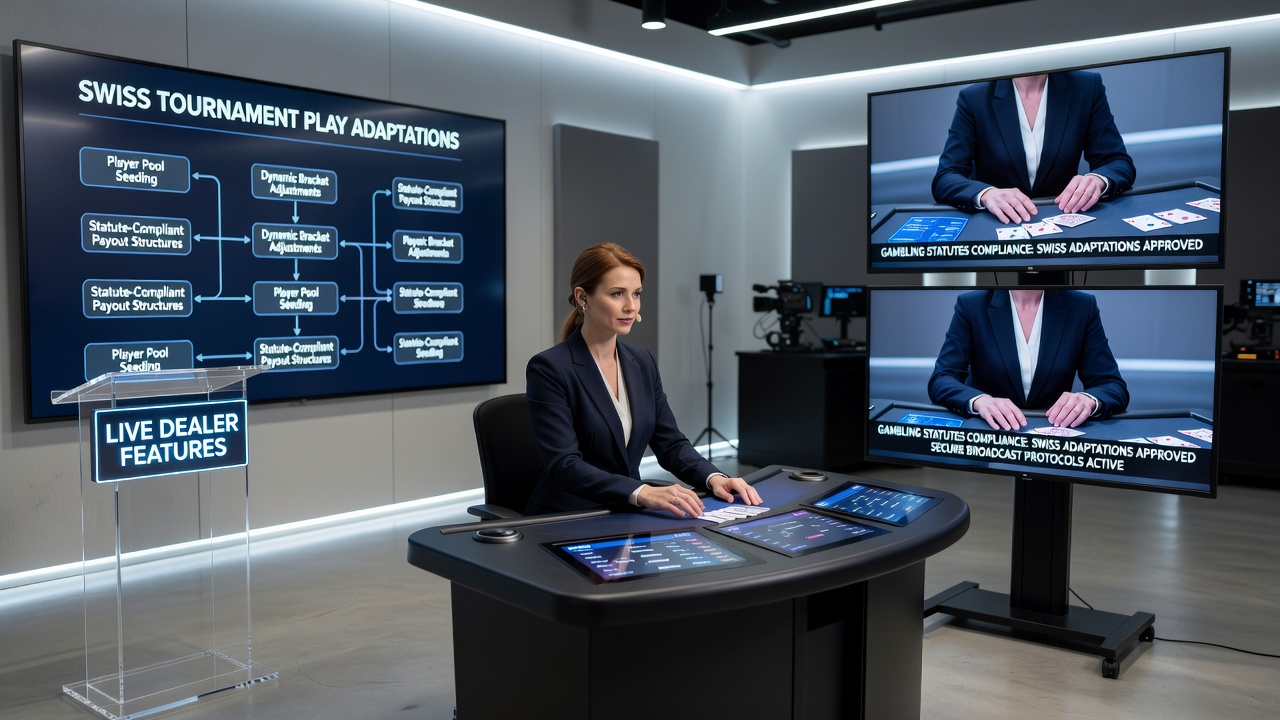
Figures from licensed operators reveal that live dealer tournaments attract a broad demographic because the format offers clear visual confirmation of game outcomes. Academic papers published in gambling studies journals have examined how these features reduce disputes compared with fully digital alternatives, since players can see physical actions in real time. The approach also supports responsible gaming tools, such as session timers and spending limits, that activate automatically through the same interface.
Developments Anticipated for August 2026
Regulatory updates planned for August 2026 are expected to introduce enhanced standards for live dealer connectivity speeds and encryption protocols. These adjustments build on existing statutes and aim to accommodate growing participation in cross-canton tournaments. Trade associations representing Swiss gaming firms have outlined how new bandwidth requirements will integrate with current live dealer setups, ensuring uninterrupted streams even during peak evening hours.
One research project tracking regulatory evolution across multiple jurisdictions highlighted Switzerland's measured approach compared with faster-changing markets in North America and Asia. Platforms preparing for the 2026 timeline are already testing upgraded dealer studios that incorporate higher-resolution feeds and additional security layers. This preparation reflects ongoing efforts to keep tournament play aligned with both technological advances and statutory demands.
Conclusion
Swiss tournament adaptations through live dealer features demonstrate how operators balance statutory requirements with player engagement. The combination of verified dealer operations, technical safeguards, and scheduled regulatory updates creates a framework that supports continued development in this sector. Data from licensing bodies and independent studies continue to inform these processes, providing a clear record of how the industry evolves under current gambling statutes.